For thousands of years, these dogs lived and worked right alongside the people of the far north, hauling sleds, herding animals, helping hunt. They're tough, smart, and deeply loyal. But they're also independent, high-energy, and not the easiest dogs to own. Knowing what you're signing up for makes all the difference.
All of the breeds we work with have a few things in common: a thick double coat, high energy, a strong prey drive, and a stubborn streak they're not shy about. None of that is a bad thing. It's just who they are. The more you understand that before bringing one home, the better it goes for everyone.
Breed Profiles
We work with eight different breeds. Here's a plain-English look at each one.
Siberian Husky
Canis lupus familiaris, Working Group
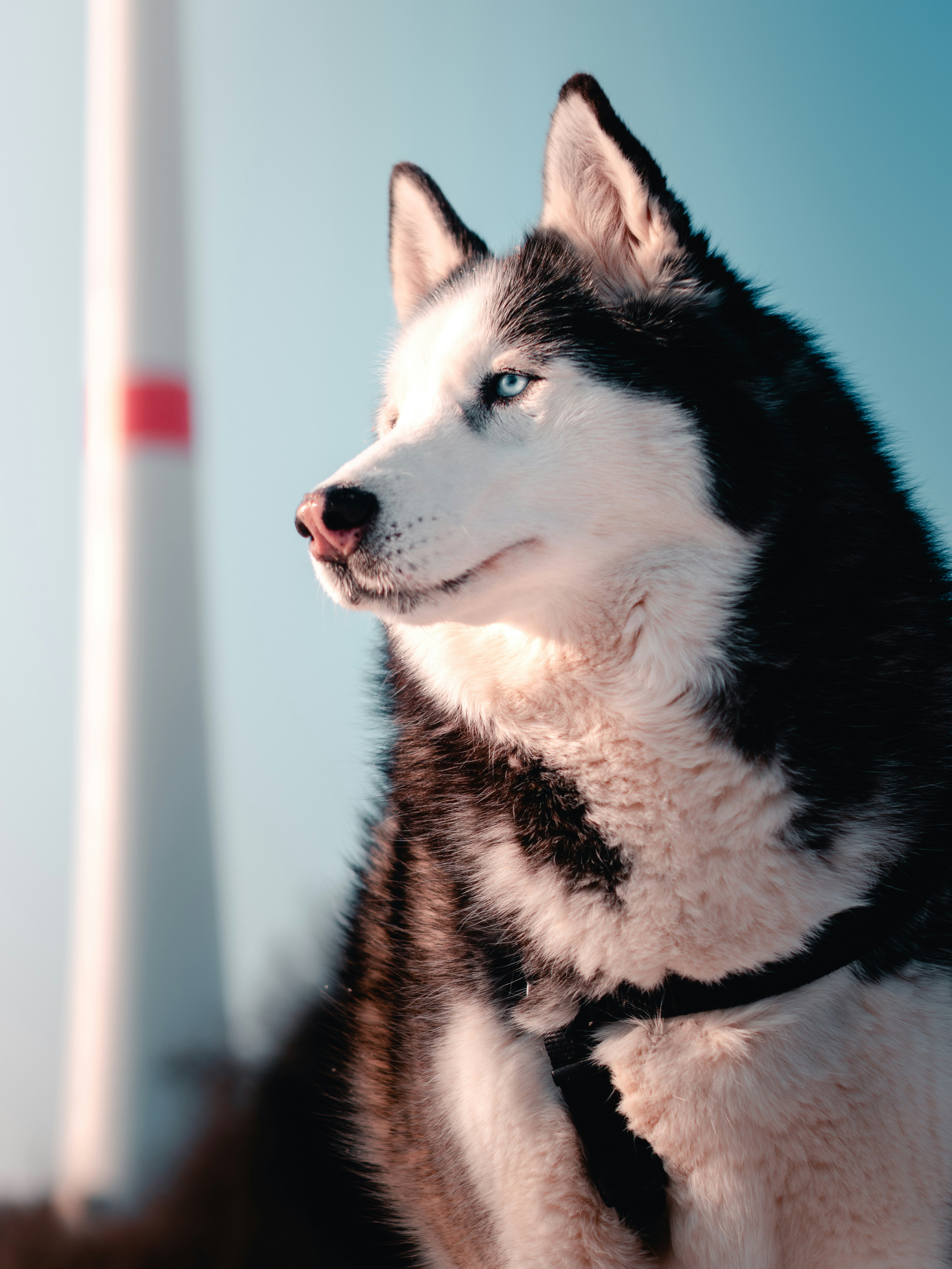
The Siberian Husky is probably the most recognizable of the bunch: blue or parti-colored eyes, wolf-like face, the works. The Chukchi people of Siberia developed them as long-distance sled dogs built for speed, not brute strength.
Huskies are friendly and social. They love people and aren't typically aggressive. But they're also incredibly independent and will find trouble if they're bored. They're world-class escape artists, so a secure fence isn't optional.
- Size: Medium, 35 to 60 lbs
- Life Span: 12 to 14 years
- Temperament: Friendly, outgoing, alert, gentle
- Energy Level: Very high, needs 1 to 2 hours of exercise daily
- Good with Kids: Yes, especially older children
- Coat: Dense double coat; heavy shedder
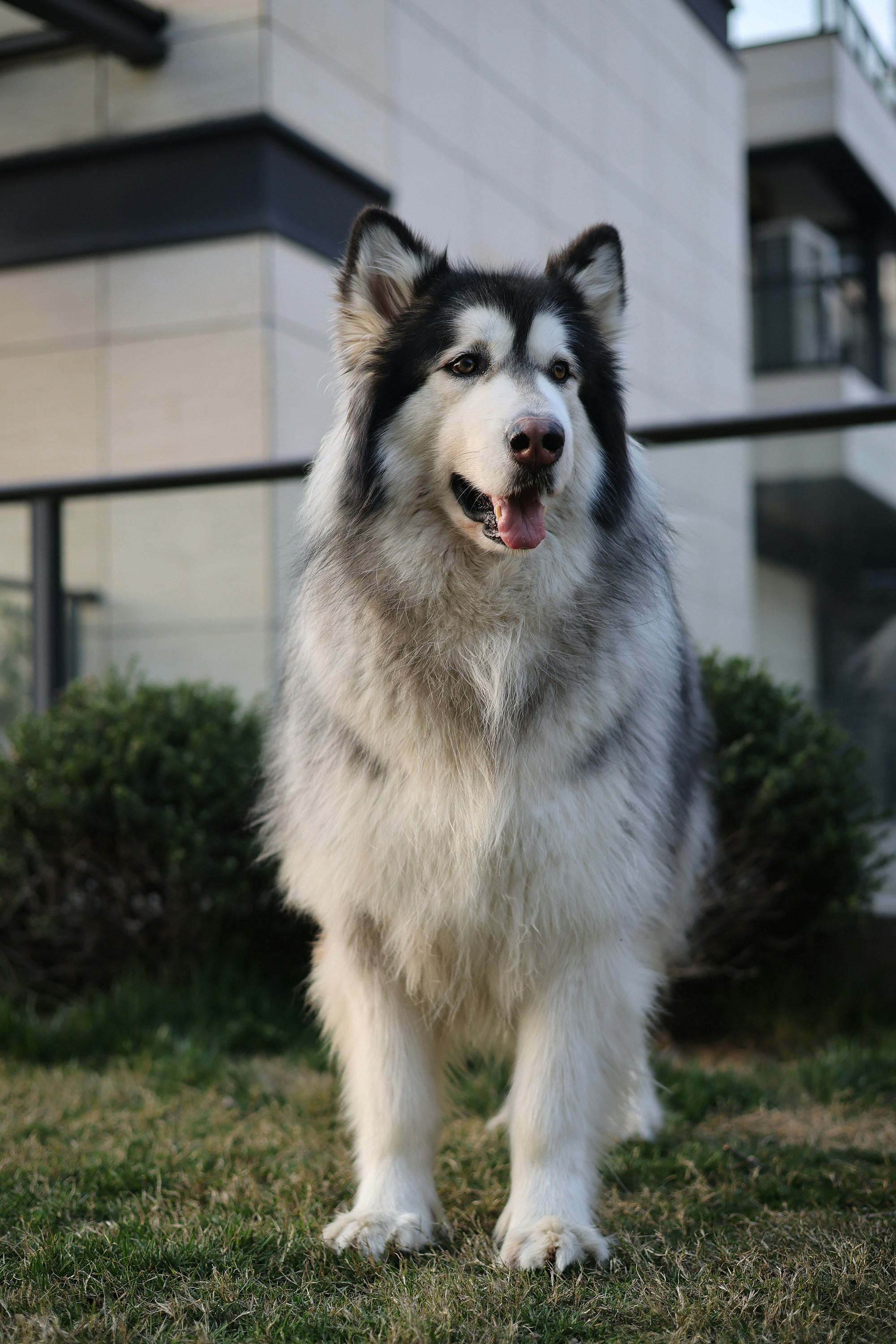
Alaskan Malamute
Canis lupus familiaris, Working Group
The Malamute is one of the oldest Arctic breeds around, developed by the Mahlemiut Inuit to haul heavy freight across long, brutal terrain. Where the Husky is built for speed, the Malamute is built for power. Think of them as the draft horses of the sled dog world.
They're affectionate, playful, and devoted to the people they love. They can also be stubborn and will happily take over if you let them. First-time dog owners should think carefully before going the Malamute route.
- Size: Large, 75 to 100 lbs
- Life Span: 10 to 14 years
- Temperament: Loyal, playful, dignified, devoted
- Energy Level: High, vigorous daily exercise required
- Good with Kids: Yes, with supervision for small children
- Coat: Thick, coarse double coat; seasonal heavy shedder
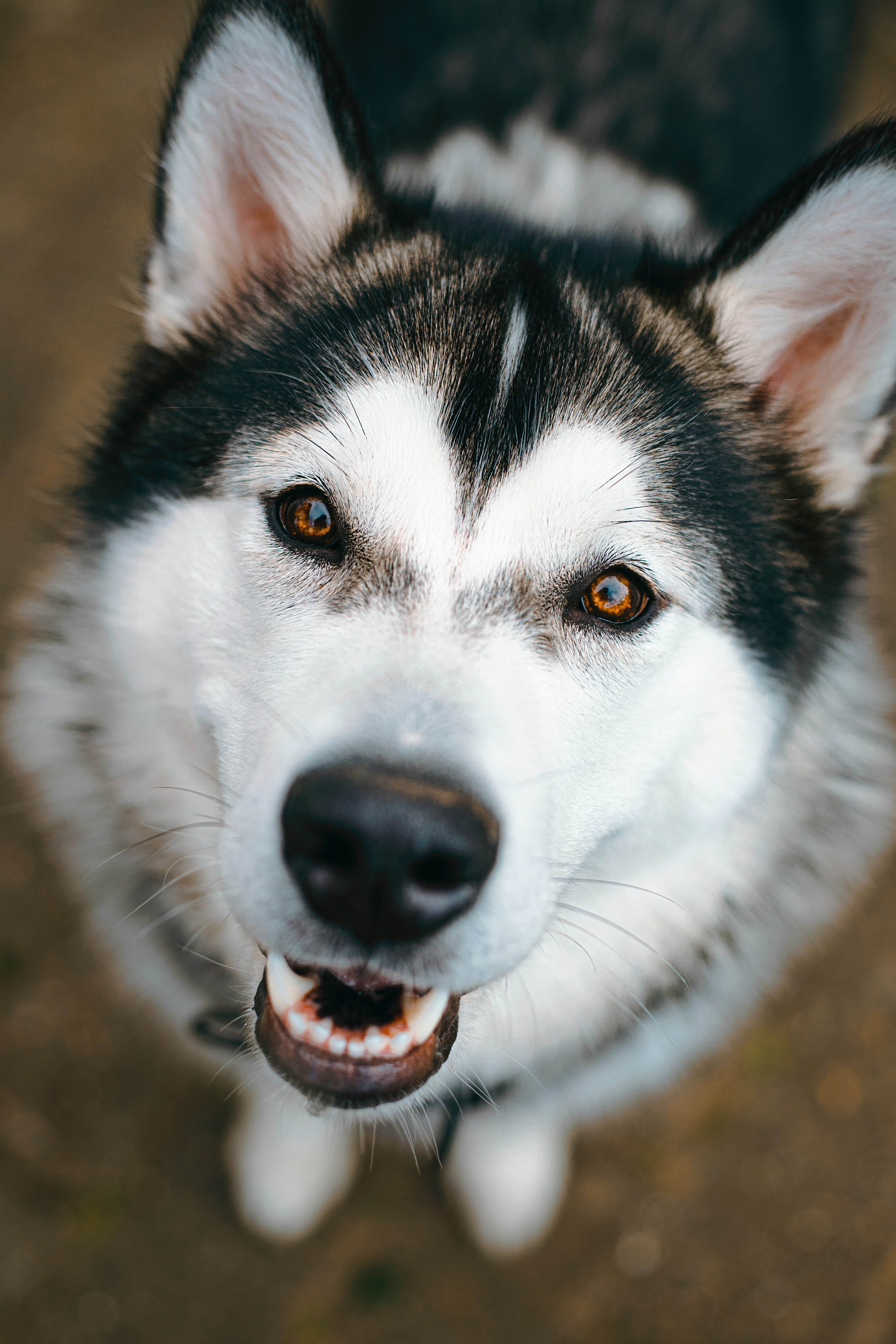
Alaskan Husky
Mixed-breed working sled dog
The Alaskan Husky isn't an AKC-recognized breed. It's more of a working type, a mix developed specifically for sled racing. What it lacks in formal recognition it makes up for in just about every other department: speed, endurance, drive, and an absolute love of running.
They're usually leaner than a purebred Siberian or Malamute. Smart, athletic, and always ready to go. They genuinely need an outlet. For the right active family, they're fantastic.
- Size: Medium, 35 to 60 lbs
- Life Span: 10 to 15 years
- Temperament: Energetic, eager, intelligent, social
- Energy Level: Extremely high, bred for endurance
- Good with Kids: Yes, especially active children
- Coat: Variable; typically a dense working coat
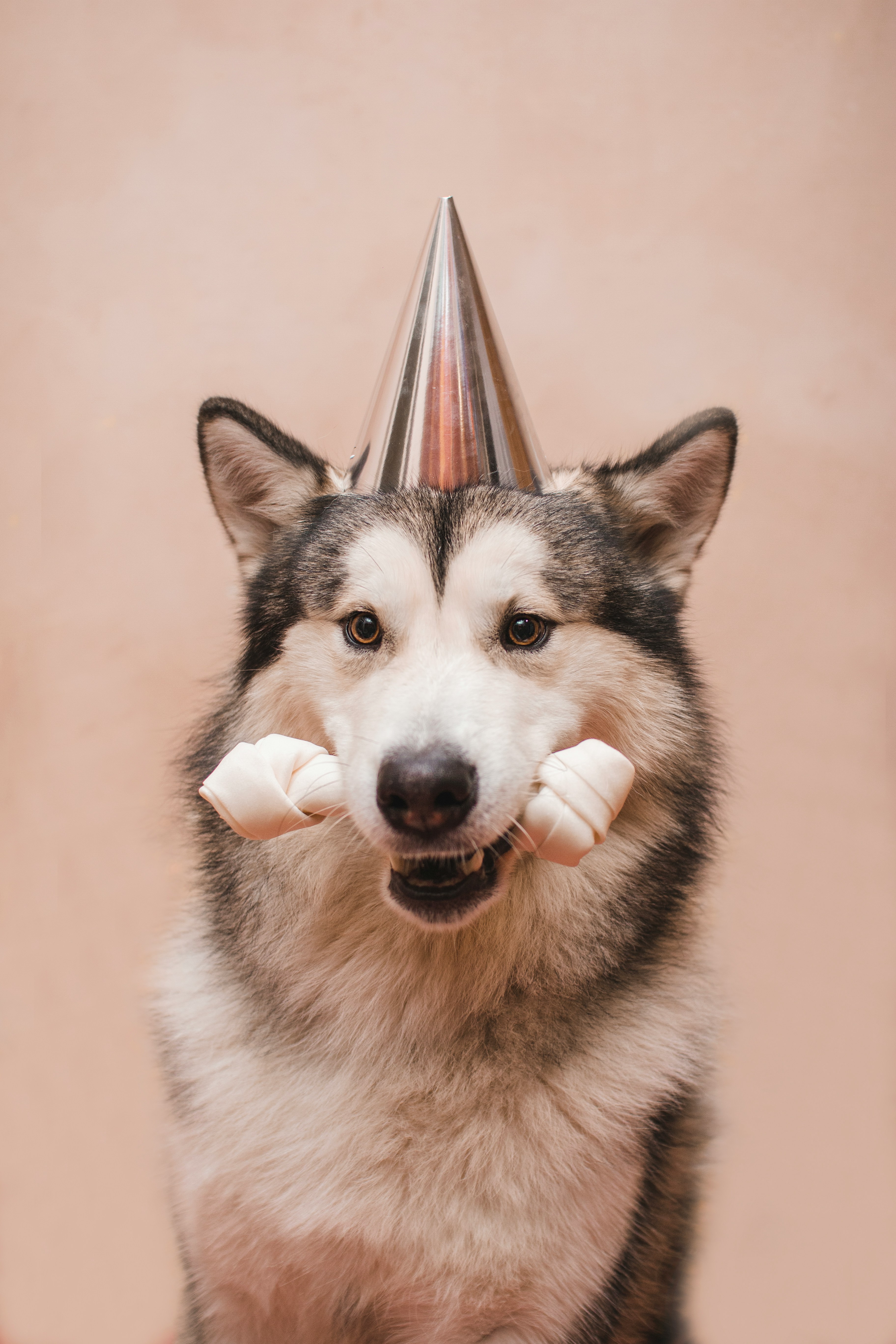
Alaskan Klee Kai
Canis lupus familiaris, Foundation Stock Service
The Klee Kai was created in the 1970s by a woman named Linda Spurlin who wanted a smaller companion version of the Alaskan Husky. "Klee Kai" loosely translates to "small dog" in an Athabaskan dialect, and they come in three sizes: toy, miniature, and standard.
Don't let the size fool you. They've got the same energy and brains as the bigger guys. A little reserved with strangers but deeply attached to their families. They're also talkers. Very, very vocal talkers.
- Size: Small to Medium, 10 to 22 lbs
- Life Span: 12 to 16 years
- Temperament: Alert, energetic, curious, loyal
- Energy Level: Moderate to high
- Good with Kids: Better with older, calmer children
- Coat: Double coat; moderate shedder
Samoyed
Canis lupus familiaris, Working Group
The Samoyed is the white, cloud-like one with the big permanent grin. That upturned mouth is actually a practical adaptation that keeps them from drooling in the cold, which would freeze on their face. The Samoyedic people of Siberia relied on them for herding reindeer, pulling sleds, and honestly, just keeping warm at night.
Samoyeds tend to be gentler and more people-focused than a lot of other Nordic breeds. They're great with kids and other animals and make wonderful family dogs, as long as you don't mind that white fur absolutely everywhere.
- Size: Medium to Large, 35 to 65 lbs
- Life Span: 12 to 14 years
- Temperament: Friendly, gentle, adaptable, lively
- Energy Level: High, needs regular exercise
- Good with Kids: Excellent family dog
- Coat: Profuse, harsh outer coat with dense undercoat; heavy seasonal shedder
American Eskimo Dog
Despite the name, the American Eskimo Dog has nothing to do with Eskimos. It descended from European Spitz breeds brought over by German immigrants. They were actually popular circus dogs in the early 1900s because of how quick and trainable they are. Come in toy, miniature, and standard sizes. Friendly with family, cautious around strangers.
Size: 6 to 35 lbs | Life Span: 13 to 15 years | Coat: Thick white double coat
Greenland Dog
The Greenland Dog is one of the oldest domesticated breeds on the planet. They've been working with Inuit hunters for thousands of years and haven't changed much since. Big, powerful, built for brutal cold, and very independent-minded. They're still actively used as working sled dogs in Greenland today.
Size: 66 to 100 lbs | Life Span: 10 to 14 years | Coat: Dense, insulating double coat
Seppala Siberian Sled Dog
The Seppala Siberian traces back to the original sled dogs brought to Alaska by Leonhard Seppala, the musher behind the famous 1925 Serum Run to Nome. They're leaner and faster than the modern Siberian Husky, bred purely for performance. They're rare, and the people who have them tend to take their mushing seriously.
Size: 40 to 55 lbs | Life Span: 12 to 15 years | Coat: Dense working coat in various colors
Did You Know?
A few things most people don't know about these dogs.
Built for the Cold
These dogs have two layers of coat: a soft insulating undercoat and a coarse, water-resistant outer layer. Between the two, they can sleep outside comfortably in temperatures as low as -50°F. Your house in winter is basically a vacation for them.
The 1925 Serum Run
In January 1925, sled dog teams relayed life-saving diphtheria antitoxin 674 miles from Nenana to Nome, Alaska, in just over five days. The lead dog Balto became a national hero. A bronze statue of Balto still stands in Central Park, New York City.
They "Woo" Instead of Bark
Siberian Huskies and Alaskan Malamutes rarely bark like regular dogs. Instead, they woo-woo, howl, and full-on argue with their owners. Malamutes especially. They'll talk back to you, and honestly most people love it.
Not Just Sled Dogs
A lot of Nordic breed owners get into skijoring, bikejoring, or weight pulling as a way to give their dog an outlet, and the dogs absolutely love it. These breeds thrive when they have something to do, and sport is one of the best ways to make that happen.